The Creative and Embodied Trauma Therapy Group is a collaborative initiative between the Devon Mental Health Alliance (DMHA), Shekinah GROW and NHS secondary care services within Devon Partnership NHS Trust. The programme has been developed in alignment with the Community Mental Health Framework, supporting integrated, person-centred care across services.
This group represents a significant development in partnership working. We have recently completed Module 1 of the programme, marking the first phase of delivery and the first time that facilitation has been jointly delivered by Devon Partnership NHS Trust (DPT) clinical staff and DMHA practitioners within a shared, community-based space. This collaboration brings together clinical expertise and community knowledge, supporting more accessible, relational, and context-sensitive care beyond traditional clinical settings.
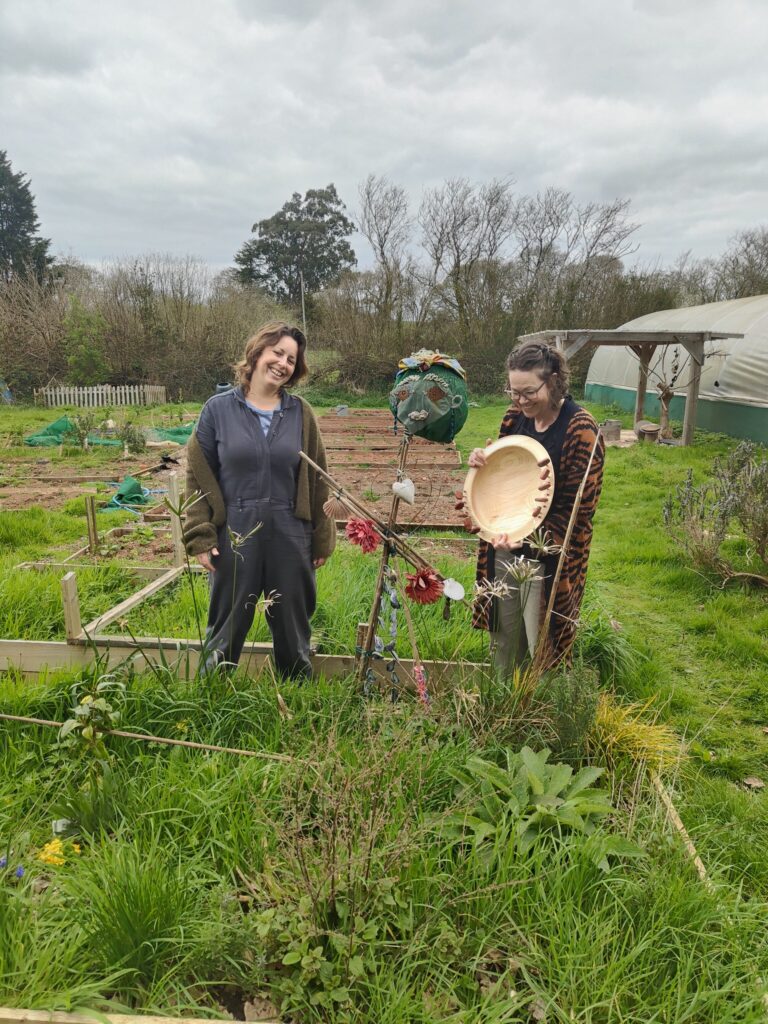
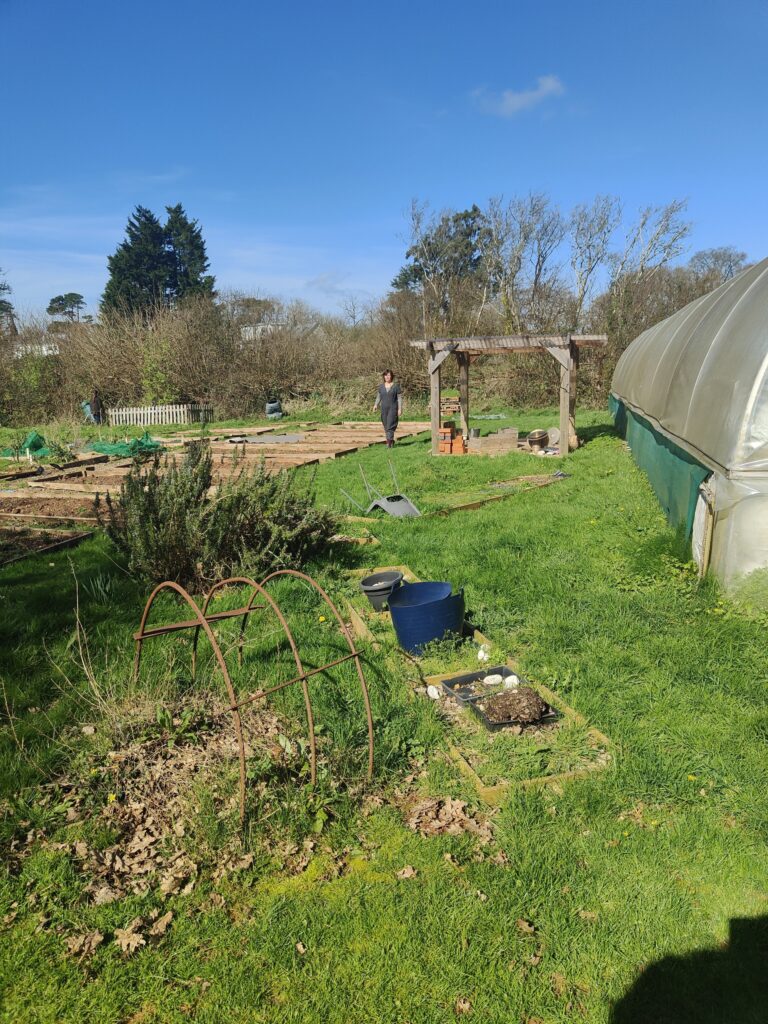
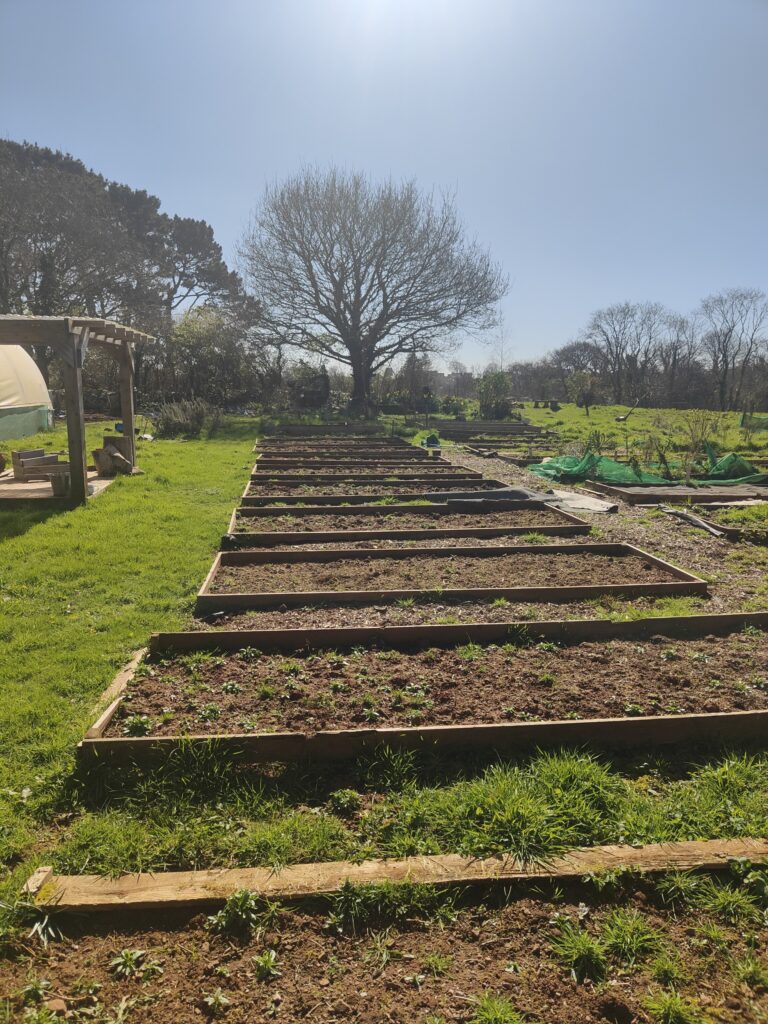
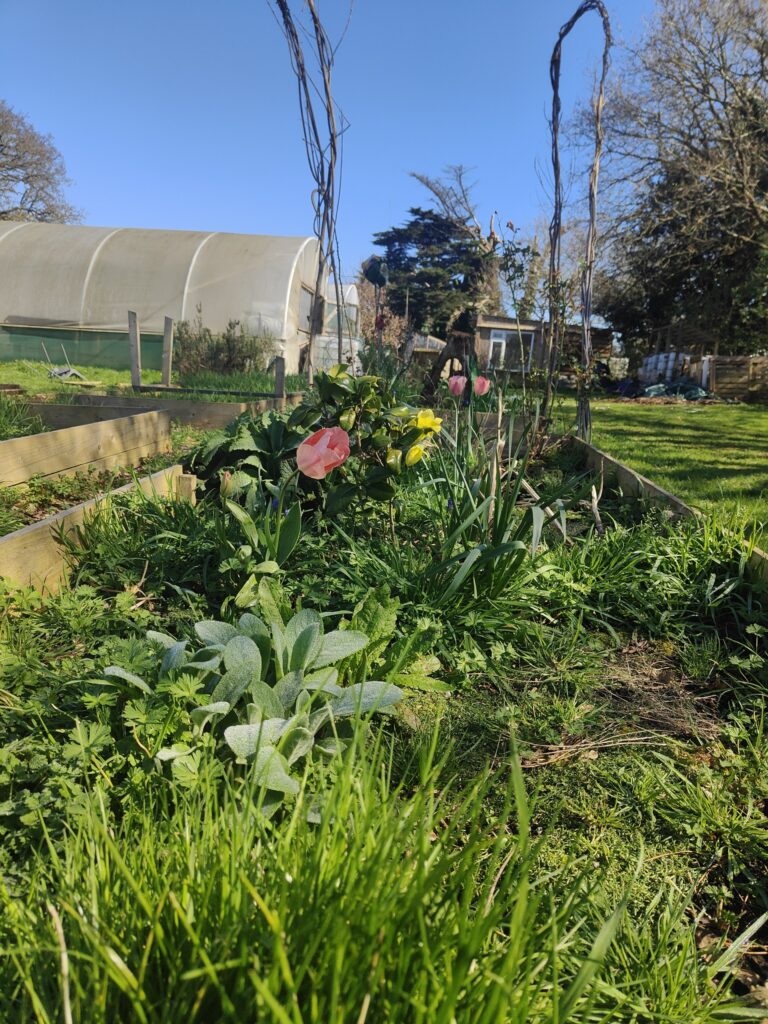
The group is also grounded in site-specific practice, with the natural environment playing an active and integral role in the therapeutic process. Working in and with a consistent outdoor setting allows participants to build familiarity, safety, and connection over time, while also engaging directly with the sensory and relational qualities of place.
The group is informed by contemporary trauma theory and developments in neuroscience. It integrates embodied, creative, and psychoeducational approaches to support participants in reconnecting with their bodies in a safe and supportive environment. Creative modalities – including artmaking, movement, and group music-making – offer accessible, non-verbal avenues for expression alongside reflective discussion. Group music-making facilitates attunement, co-regulation, and social connection.
Psychoeducation is woven throughout the programme, enabling participants to develop an understanding of trauma responses, attachment patterns, and adaptive coping strategies. This supports greater self-awareness and fosters a sense of agency in managing emotional and physiological experiences.
A central aspect of the group involves supporting participants to develop capacities for ecological co-regulation. This includes gently guiding attention towards sensory experience, breath, and embodied engagement with the natural environment. Nature offers rich opportunities for somatic resourcing – an essential component of trauma stabilisation. These resources may include sensing the solidity of the ground beneath one’s feet, resting into the support of a tree, or orienting to the sounds of birdsong. Such experiences can help cultivate a felt sense of safety, grounding, and present-moment awareness.
One participant shared:
“I feel safe, heard, and so grateful to have been given this opportunity to go on this journey of trauma healing.”